
How to host a client event at a sporting event
A practical guide to planning client hospitality around live sport, from budgets and suppliers to contingency plans and reviewing the return afterwards.
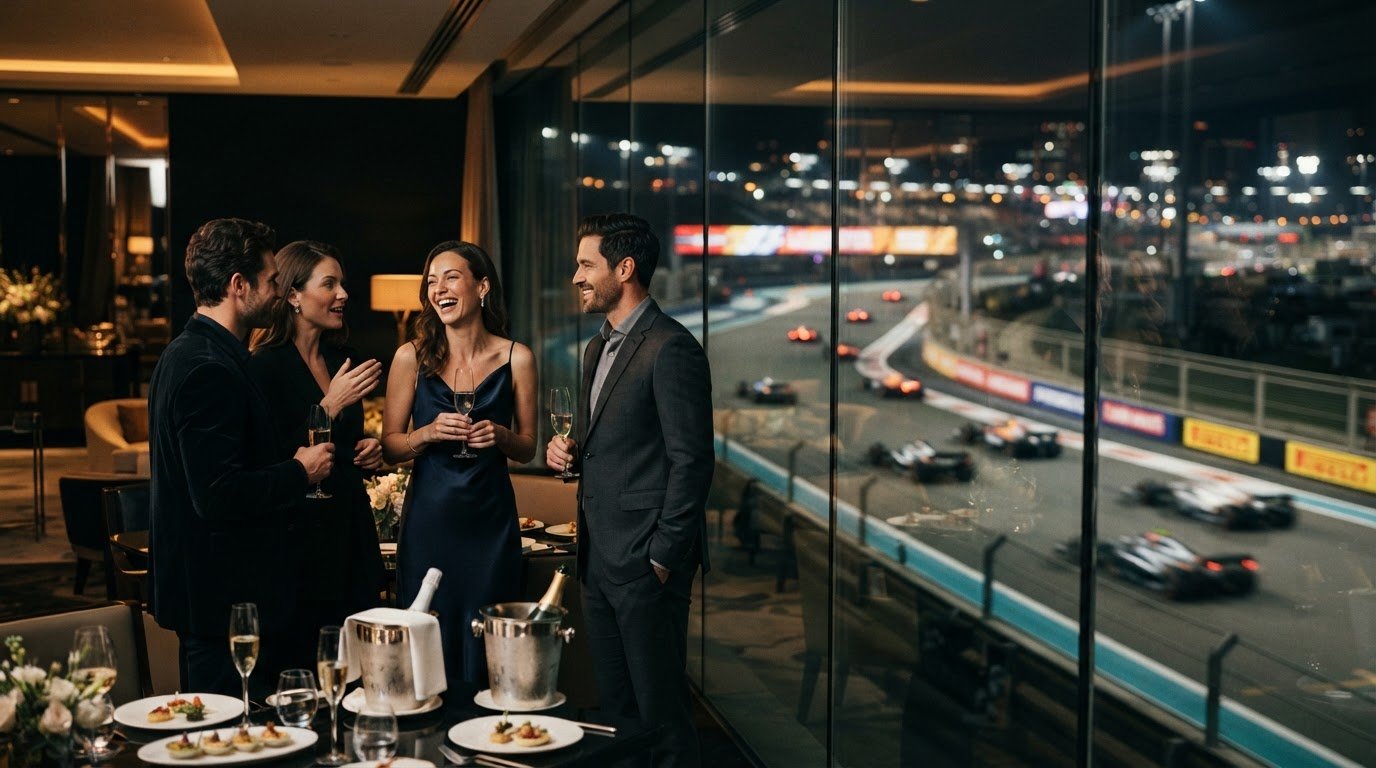
A successful client event at a sporting event starts with a clear business purpose, a considered budget and a schedule shaped around the competition. To understand how to host a successful client event at a sporting event, align the guest experience with those priorities, coordinate the venue and suppliers, and plan for disruption. Afterwards, review guest feedback alongside the final costs.
An event may feel effortless to guests, but that experience depends on careful planning behind the scenes. This guide explains how to choose a format, set a budget and timeline, coordinate hospitality and suppliers, and prepare for operational issues while keeping the relationship you want to build in focus. It also covers how to review feedback and costs after the event, so you can assess its business value and make more informed decisions next time.
Key Takeaways
• Build contingency planning into the event budget, and assign clear responsibilities for communication, safety, and likely disruptions.
• Coordinate venue, hospitality, and supplier arrangements around guest arrival, competition timing, breaks, and changing conditions.
• Gather attendee feedback promptly, then compare the event’s objectives with final costs and stakeholder response.
• Set the event purpose, format, budget, and success measures before committing to a timeline or venue.
1. Contingency planning and event-day execution
Set the event’s purpose before sending invitations. Define the audience, format, duration, initial budget and success criteria in a planning document. These decisions shape the venue, guest communications, staffing and contingency plans. For a client gathering around a match, success might mean meaningful conversations, a comfortable arrival and a well-paced schedule that leaves room to enjoy the competition.
Build the budget around costs and potential income. Separate fixed expenses, such as venue hire and permits, from variable costs, such as staffing and equipment. Include audiovisual production, insurance, logistics, catering, security and communications where relevant. A contingency fund can help address unexpected costs without disrupting essential arrangements. For larger sporting events, possible revenue may include ticket sales, sponsorships, broadcast rights and merchandise. For a hosted client event, connect each budget line to the guest experience and the intended business outcome.
Weather, cancellations and delays can affect travel, access, schedules and outdoor hospitality. Prepare alternatives in advance, such as an indoor setting, revised arrival instructions or an adjusted schedule, and set a clear process for notifying guests. Record who can approve changes and who will communicate them. A written operations plan should also assign internal communication channels, departmental contacts and response steps for likely incidents.
Before event day, coordinate access routes, accreditation, security responsibilities and the timing of ceremonies or official activities. Give every team member a defined role, then brief them on logistics, safety and guest flow. On site, make contact points clear and use radios or messaging apps to relay changes quickly. Assess crowd movement, equipment hazards and weather conditions, and escalate safety concerns through the agreed response process. During the venue walkthrough, check signage, guest amenities and access to medical stations. After a disruption, record the decision and its effect on timing or spending to inform the post-event review.
A practical protocol plan can include an event-specific manual, assigned roles and contingency procedures. Set a contingency fund within the budget for unexpected costs. Managers should oversee spending and coordinate sponsorship, ticket sales and merchandise where these apply. Safety planning should address on-site medical personnel, emergency action plans and AED access. Assess crowd flow, equipment hazards and weather risks, and define volunteer roles with training tailored to logistics, safety and event flow.
2. Hospitality services and supplier coordination
Choose a sporting event that matches your clients’ interests, business priorities and travel needs. Assess the venue’s location, access, hospitality spaces and suitability for the competition. A site visit and discussion with venue staff can reveal practical constraints before you finalize arrangements.
Venue contracts may cover commercial exclusivities, hospitality management, and branding or usage restrictions. Review those terms alongside event-organizer policies before planning gifts, signage or client entertainment. Set internal approval limits, respect each guest’s policies on gifts and entertainment, and record the business purpose of each invitation.
There is no universal booking lead time for tickets, suites or catering. Start once the event date and guest profile are clear, then coordinate commitments with venue terms, supplier schedules and the competition calendar. Choose food and drinks that suit the format and guests’ preferences, and communicate dietary requirements to the catering team. Include accessible routes, seating and facilities in the venue plan.
Send guests concise registration confirmations with arrival instructions, transport options, parking details, entry requirements and a named event contact. Coordinate with clubs, leagues, federations, sponsors, public authorities and security teams where relevant. The shared schedule should account for arrivals, hospitality service, competition time, breaks and departures.
For broadcast or streamed events, coordinate on-site branding, ceremonies and digital coverage with venue and event protocols. During the event, use an agreed staff communication channel and identify who can resolve supplier, access or timing issues. Keep client conversations attentive and personal. Let the shared experience lead rather than turning every interaction into a sales presentation.
For a more integrated hospitality setting, consider a tailored corporate hospitality experience that aligns the venue, cuisine, and client occasion.
Choose catering that suits the event format and guests’ preferences, and share dietary requirements with the catering team. Plan accessible routes, seating and facilities at the venue.
The operations plan can cover accreditation, security, crowd flow, transport, emergency planning, hospitality and external-supplier coordination. Account for setup, competition times, breaks, teardown, participant flow, staffing, weather and potential delays. Digital protocols can address broadcast and streaming visibility, ceremony coordination, social media coverage and online VIP management. Give participants clear registration confirmations and event logistics, and equip teams to resolve on-site problems through radios or messaging apps.
3. Post-event feedback and financial reporting
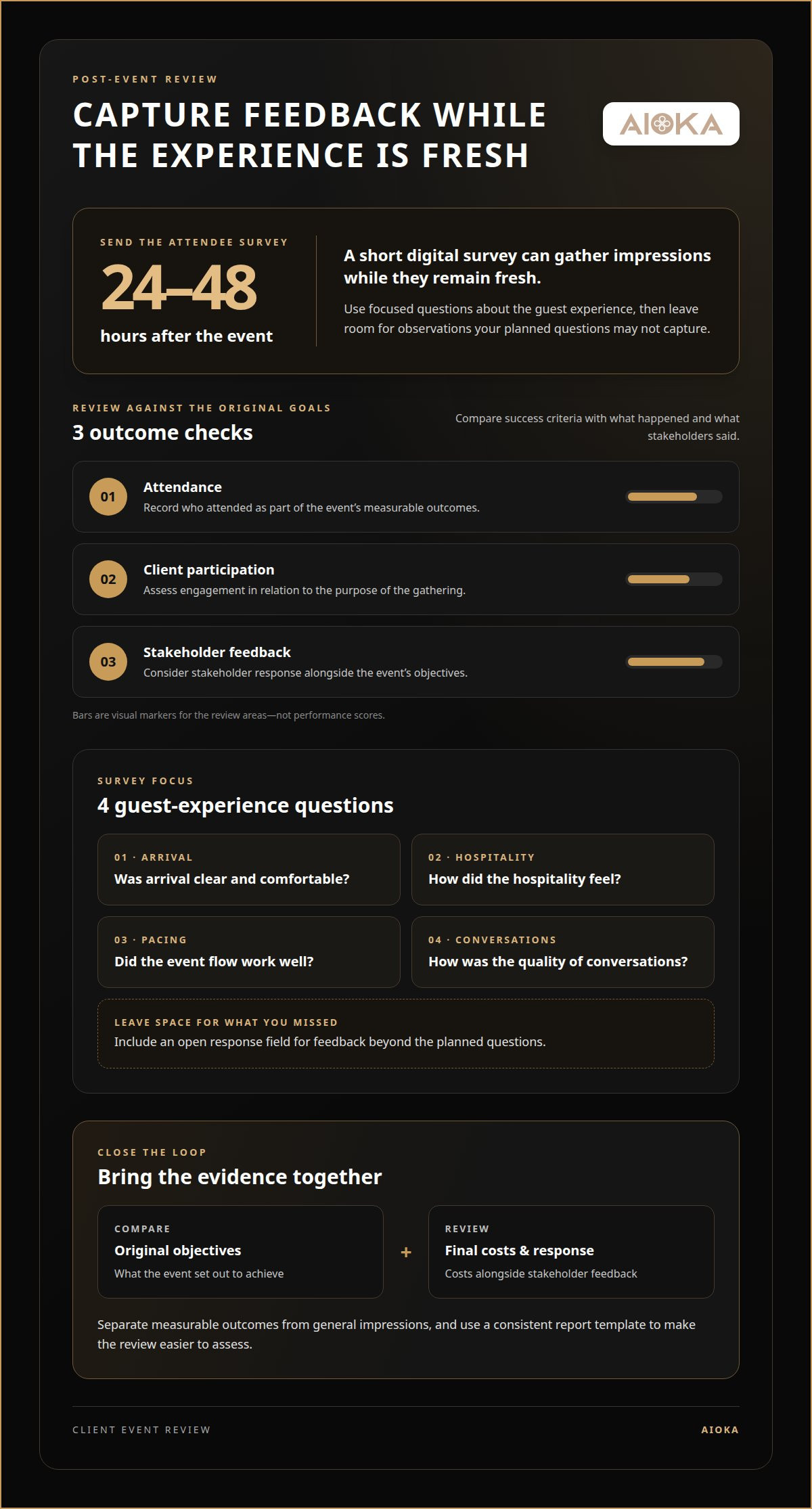
Begin the review with the event’s original success criteria, then compare them with attendance, client participation, and stakeholder feedback. A digital attendee survey sent within 24 to 48 hours can capture impressions while the experience remains fresh. Ask focused questions about arrival, hospitality, event pacing, and the quality of conversations. Include an open response field for observations the planned questions may miss.
When planning how to host a successful client event at a sporting event, distinguish measurable outcomes from general impressions. Use a consistent report template to record attendance, budget summaries, revenue, media coverage, sponsor satisfaction, participant feedback and social media impact where relevant. Attendance records show who came; survey comments help explain their experience. Compare both with the event’s stated objectives.
Close the finances by reconciling the approved budget against actual spending and recorded income. Group costs by category, such as venue, catering, production, security and logistics, to make variances visible. Document why costs changed, including delays, supplier adjustments or approved contingency spending. Complete supplier payments, return hired materials and equipment, and organize receipts, agreements and event records.
Review the guest journey as well as the accounts. Assess registration and arrival, transitions between hospitality and competition, catering service and departure. Note where guests waited, missed information or found the schedule difficult to follow. Pair each observation with a practical improvement, such as clearer arrival instructions or adjusted service timing. This turns feedback into useful decisions rather than a collection of comments.
Understanding how to host a successful client event at a sporting event also means turning findings into decisions. Share the report with internal teams and event partners, identifying what to retain, change or investigate. Past ticket sales and attendance data can inform future ticket pricing. Keep the review concise and evidence-led, giving decision-makers a clear account of outcomes, costs and next steps.
4. Sports event budgeting and project timelines
Build the budget around the event’s purpose, format, audience and measures of success. Separate fixed expenses, such as venue hire and permits, from variable expenses, including staffing and equipment. Add production, insurance, logistics, catering, security and communications as distinct line items. This structure shows which decisions affect the guest experience and which costs vary with the event’s scale.
Map each expense to a planning milestone, then identify dependencies. Venue terms can shape hospitality arrangements; confirmed event timing informs staffing, transport and supplier schedules. Coordinate dates with team availability and the sporting calendar. Changes to competition timing may affect catering service, guest arrivals and production, so record who can approve adjustments and how they affect the budget.
For larger sporting events, sponsorship programmes should ideally begin 12 to 18 months before the event. That lead time supports sponsor alignment, proposal development, and planning for agreed benefits, such as visibility or on-site activations. For a client gathering, set an internal sequence from event selection to venue decisions, supplier coordination, guest invitations, operational preparation, and final reconciliation. Tie each milestone to a decision owner and a completed deliverable.
Use a working budget that distinguishes committed costs from estimates, and update it when supplier proposals or venue conditions change. Record approvals and assumptions, including expected attendance and the planned service level. This makes trade-offs deliberate: if production requirements increase, the team can assess the effect on catering or transport before authorizing changes.
Set a review point after the event. Compare actual spending with the approved budget, explain variances and connect them to schedule changes or operational decisions. Data on ticket sales and attendance at past events can inform future ticket pricing. A disciplined timeline, supported by clear financial ownership, helps decision-makers protect the intended guest experience while understanding the cost of each planning choice.
AIOKA: Corporate Hospitality Packages
AIOKA helps brands shape client hospitality around Formula 1 race weekends through Corporate Hospitality Packages. These experiences bring together exclusive trackside locations, considered culinary details, and the atmosphere of the competition, creating space for meaningful client relationships.
For an event with a wider brand objective, AIOKA’s Brand Activation Services can connect the hospitality setting with strategic sponsorship opportunities. Curated Culinary Experiences can add a distinctive element, designed around the event’s purpose and audience.
Turn to AIOKA for specialist support bringing hospitality, brand presence and the sporting setting together in one coherent experience. Contact AIOKA to discuss your event.
Shape the Next Sporting Occasion
Knowing how to host a successful client event at a sporting event starts with a question beyond the event itself: what kind of relationship should the occasion help build? Let that intention guide the invitation, atmosphere and conversations. A sporting event can provide a memorable setting, but lasting value comes from welcoming and engaging guests thoughtfully.
As you consider the next occasion, define the experience you want clients to remember and the natural next conversation it should invite. AIOKA can help bring that vision to life through its corporate hospitality and brand experience offerings, shaped around the event and its audience. Contact AIOKA to plan your event and begin shaping an occasion with purpose, distinction, and room for meaningful connection.
Frequently Asked Questions
How to define goals and measure ROI for a client sporting event?
Define success through an observable business outcome, then compare it with the event’s total spend. For example, if the aim is to deepen priority client relationships, track meaningful follow-up conversations and agreed next steps, not attendance alone. Where revenue matters, distinguish opportunities associated with the event from confirmed business, and document the assumptions behind any attribution.
What are the best practices for inviting clients and managing RSVPs?
Make each invitation personal, relevant and easy to answer. Explain why the client is being invited, what the occasion involves and how to respond. Keep one RSVP record with each guest’s response, any accompanying guest and follow-up status, so changes do not get scattered across email threads. Set a reply deadline that supports planning, then send courteous reminders and a concise confirmation to attendees.
What food, drinks, and accessibility options should you arrange?
Choose food and drinks that suit the event format and guests’ preferences, and share dietary requirements with the catering team. Arrange accessible routes, seating and facilities at the venue.


